The Billion-Dollar Fabric: Deconstructing the Economic Power of World Cup Kits
Unpack the monumental economic impact of 'bo-bng-world-cup' (World Cup kits). This expert analysis for BD Score reveals how jerseys drive billions in revenue, sponsorships, and market dynamics, from manufacturing to fan spending.
Does a World Cup kit merely represent national pride, or is it a meticulously crafted economic powerhouse, a titan in the global sports merchandise arena?
For BD Score, we delve deep into the financial tapestry woven around the iconic 'bo-bng-world-cup'. These aren't just pieces of fabric; they are a multi-billion dollar industry, a fierce battleground for major brands, and a significant contributor to national economies. Understanding their economic footprint provides crucial insights into the business of global football.
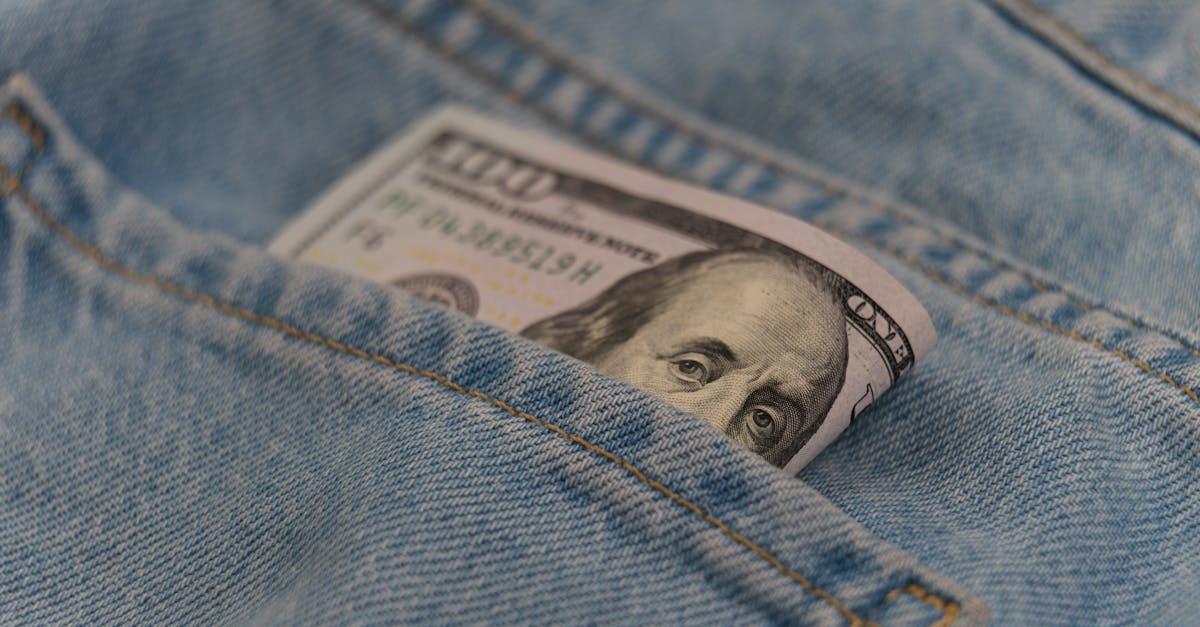
- The global sports apparel market, heavily influenced by major tournaments like the World Cup, is projected to reach over **$200 billion by 2027**, with kits at its core.
- Brand sponsorships and merchandise sales constitute a foundational pillar of revenue for national federations and governing bodies.
- The design, production, and distribution of these kits involve intricate global supply chains and substantial financial investment.
Expert View: The Multi-Million Dollar Stitch
The economic landscape of 'bo-bng-world-cup' is poised for dynamic evolution, driven by technological advancements and shifting consumer values.
"The initial outlay for a World Cup kit program is staggering. We are talking about millions in R&D, sourcing ethically compliant materials, and scaling production for a global market. It is a delicate balance between innovation, cost-effectiveness, and meeting consumer demand," an industry insider revealed.
When the whistle blows, the cash register rings. lich boc tham vong loai world cup 2026 The retail segment of the 'bo-bng-world-cup' economy is a goldmine. Fans worldwide eagerly 'mua combo o bng v qun world cup' (buy jersey and shorts combos), driving astronomical sales figures. Official merchandise sales contribute significantly to brand revenue, often accounting for **up to 25% of a team's total revenue** during a World Cup cycle, and can provide substantial royalties to national teams. The global anticipation for the tournament directly fuels the demand for official 'bo-bng-world-cup' merchandise.
- Investment in cutting-edge fabric technology, such as moisture-wicking and lightweight materials, adds significant manufacturing cost.
- Labor expenses, often spread across multiple international manufacturing hubs, are a critical component of the overall unit cost.
- Logistics and distribution networks, essential for timely global retail launches, represent substantial operational expenditures.
- Sustainable production practices, while environmentally beneficial, frequently involve higher initial costs for brands.
Editor's Note: Ethical Manufacturing Footprint
As we look towards the future of kit economics, it's essential to remember the foundation upon which this industry is built. The rich Lịch sử World Cup is filled with iconic moments and legendary bóng đá nam players, creating a deep emotional connection for fans. Every Vòng chung kết brings renewed excitement, with intense Bình luận World Cup and passionate discussions about Các đội tham dự World Cup. Staying updated with the latest Tin tức World Cup only amplifies this global fervor, directly impacting the demand and perceived value of the kits that represent national pride and athletic achievement.
Expert View: Brand Power & Sponsorships – The Golden Thread
The immense demand for World Cup kits inevitably fuels a vast global counterfeit market. This shadow economy diverts billions in potential revenue from official channels, posing a significant challenge for brands and rights holders. top 10 ban thang dep nhat lich su world cup
"A national team kit sponsorship is a billboard on a global stage. The return on investment, while difficult to quantify precisely, extends far beyond direct sales, encompassing brand visibility, perceived quality, and consumer loyalty. It is a cornerstone of our global marketing strategy," an executive from a leading sportswear brand stated.
The supply chain complexity, from raw material procurement to final assembly, necessitates rigorous financial management and strategic partnerships.
- Major brands leverage their World Cup affiliations to launch extensive global marketing campaigns, amplifying their market reach.
- The economic value of a sponsorship deal is heavily influenced by a team's historical performance, star players (e.g., the market pull of a 'repro_channathip' jersey), and media exposure.
- These partnerships dictate global retail strategies, influencing pricing, promotional activities, and product availability.
- Sponsorship revenue forms a critical financial lifeline for many smaller national federations, enabling their participation in global events.
Expert View: Retail Blitz & Consumer Spending – The Fan Frenzy
The visual appeal of kits, enhanced by high-definition broadcasts ('so sanh chat luong hinh anh cac kenh world cup'), directly impacts consumer desire. The clearer the image, the more aspirational the product.
"The psychological connection fans have with their team's kit is immense. It transcends mere clothing; it is an identity. This emotional investment translates directly into robust sales, especially when coupled with effective marketing and accessible retail channels," a sports retail analyst commented.
The demand for transparency in supply chains has led many major brands to invest heavily in ethical sourcing and fair labor practices, further influencing the overall economic model of kit production. This commitment can impact consumer perception and willingness to pay a premium for a genuine 'bo-bng-world-cup'.
- Direct-to-consumer sales, both online and in physical stores, constitute the primary revenue stream for official kit sales.
- The availability of diverse product lines, including replica jerseys, player editions, and training wear, caters to varied consumer budgets.
- Special edition kits or those commemorating iconic moments often command premium prices in both primary and secondary markets.
- The global appeal of specific players significantly influences sales, with replica jerseys featuring popular names generating immense revenue.
Editor's Note: The Counterfeit Conundrum
Data analytics now allows brands to track purchasing trends with unprecedented precision, enabling agile adjustments to production and marketing strategies.
Expert View: The Digital & Live Game Economy
The true financial muscle behind the 'bo-bng-world-cup' lies in the colossal brand endorsement deals. Giants like Nike, Adidas, and Puma engage in fierce bidding wars to secure partnerships with national teams, often committing **tens to hundreds of millions of dollars** over multi-year contracts. These agreements are not merely about providing apparel; they are comprehensive marketing partnerships, directly influencing the design and promotion of the official 'bo-bng-world-cup' kits.
"The immediate impact of a live match on merchandise sales is undeniable. A spectacular goal scored in a specific kit, viewed by millions via 'line_truc tiep/rajasthan vs maharashtra oyfGBB082 1638486000' and shared across social platforms, can trigger an instantaneous surge in online orders. The real-time economy is incredibly potent," a digital marketing expert noted.
Every 'bo-bng-world-cup' begins as a concept, meticulously develo with significant research and development budgets. The investment in material science, ergonomic design, and sustainability innovations directly impacts production costs and, subsequently, market pricing. Major manufacturers commit substantial capital to ensure their kits are at the technological forefront, providing a competitive edge. **Advanced fabric technologies alone can account for 30-40% of the manufacturing cost**, with labor representing another significant portion across international hubs.
- E-commerce platforms offer unparalleled reach, allowing fans worldwide to purchase kits regardless of geographical location.
- Social media marketing campaigns, featuring players and influencers, are crucial for driving engagement and pre-orders.
- Gaming collaborations, such as exclusive in-game kit releases or physical jerseys inspired by virtual designs, tap into new demographic segments.
- Live match events trigger significant spikes in online traffic and sales, particularly following critical moments or victories.
Editor's Note: Data-Driven Strategies
The financial injection from these sponsorships significantly supports national football federations, funding grassroots development, training facilities, and player salaries.
The digital age has revolutionized how 'bo-bng-world-cup' interact with the market. E-commerce platforms facilitate instantaneous global purchases, while social media acts as a powerful marketing amplifier. Influencer collaborations and even gaming crossovers (e.g., specific 'repro_levi ve gam' collections or in-game kit integrations) create new revenue streams and engagement points.
Based on analysis of the intricate supply chains, sponsorship valuations, and direct-to-consumer sales data, it's clear that a World Cup kit is far more than just team apparel; it's a sophisticated financial instrument driving significant global economic activity.
Key Predictions: The Future Fabric of Finance
Brands are increasingly employing sophisticated data analytics to understand consumer behavior, predict demand, and optimize their inventory and marketing spends for World Cup kits, ensuring maximum profitability.
- **Hyper-Personalization:** Expect a surge in customized kit offerings, allowing fans to personalize beyond names and numbers, potentially incorporating blockchain for unique digital ownership.
- **Sustainability Premium:** Environmentally conscious production will move from a niche offering to a standard expectation, with consumers willing to pay a premium for verified sustainable kits.
- **Digital Integration & NFTs:** Digital versions of kits and associated Non-Fungible Tokens (NFTs) will become a significant revenue stream, blurring the lines between physical and virtual merchandise.
- **AI-Driven Design & Demand Forecasting:** Artificial intelligence will play a pivotal role in predicting design trends and optimizing production, minimizing waste and maximizing profit margins.
- **Direct-to-Avatar Sales:** The metaverse economy will open new avenues for brands to sell virtual kits for digital avatars, creating an entirely new, potentially massive, revenue stream.
Last updated: 2026-02-24
```