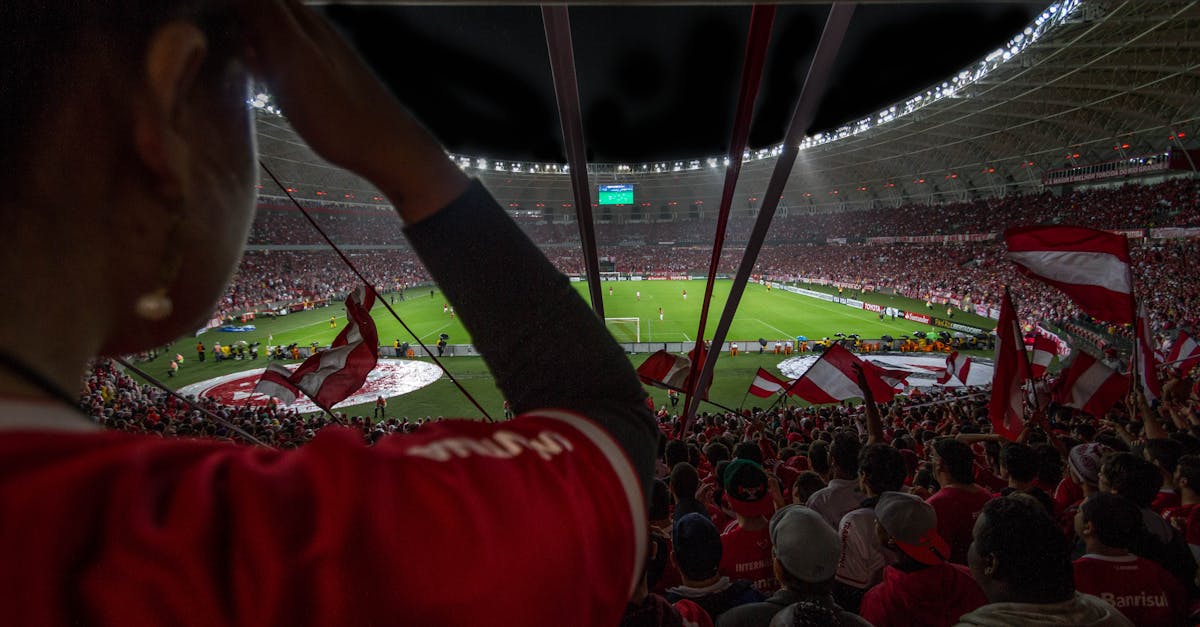
World Cup 2026 Stadiums: A Billions-Dollar Economic Play
Unpack the monumental economic impact of World Cup 2026 stadiums. Discover host nation investments, revenue streams, and long-term financial implications.
BD Score
Does the roar of the crowd echo with the sweet sound of cold, hard cash?
The FIFA World Cup 2026, set to be hosted by an unprecedented three nations, represents more than just a global football spectacle; it is an economic phenomenon of immense proportions. The stadiums, often viewed merely as venues for athletic prowess, are, in reality, colossal financial investments and powerful engines of economic activity. Understanding the intricate financial ecosystem surrounding these monumental structures is crucial for stakeholders, investors, and citizens alike, as their construction, operation, and legacy significantly shape regional and national economies. This comprehensive analysis will delve into the profound financial implications, from the initial capital outlay to the enduring economic footprint, of the venues chosen for this historic tournament.
Initial investment in stadium infrastructure often runs into billions of dollars.
Each venue acts as a temporary economic hub, generating jobs and stimulating local commerce.
The long-term economic legacy of these stadiums extends far beyond the final whistle.
Expert View: Economic Magnets – The Stadium Stakes
The economic impact is not uniform. The manner in which host cities manage their post-tournament stadium assets and leverage their enhanced global profile dictates the true extent of their long-term financial success. This is a critical factor often examined when evaluating major sporting events.
“The capital expenditure on World Cup stadiums is not simply an accounting entry; it is a strategic economic injection. Every girder, every seat, represents a job created, a contract awarded, and a local economy stimulated. The multiplier effect in these host cities is simply staggering, far surpassing the immediate construction costs.” – Unnamed Financial Analyst
⚾ Did You Know?
Volleyball was invented in 1895 and was originally called "Mintonette".
Massive infrastructure projects lead to widespread job creation in engineering, construction, and related services.
Local businesses, from material suppliers to food vendors, experience increased demand during the preparatory phases.
Host cities anticipate significant financial dividends through increased tourism and local spending, aiming to recoup their stadium-related investments.
Editor's Note
The commercial success of the World Cup relies upon a delicate balance between global appeal, exclusive partnerships, and effective intellectual property management. The ability to leverage fan excitement into tangible sales is a key economic driver.
Expert View: Host Nation Bonanza – Beyond the Pitch
While the immediate economic boost is undeniable, scrutiny often falls on the long-term viability of these massive stadiums post-tournament. The challenge lies in converting initial investment into sustainable economic benefits, avoiding the 'white elephant' syndrome.
“Hosting the World Cup is akin to a global branding exercise for a nation. The economic legacy is not just about the stadiums; it is about the enhanced global perception, the improved infrastructure, and the subsequent boost in tourism and trade that can last for decades. It is a strategic investment in national soft power and economic competitiveness.” – Unnamed Geopolitical Economist
Improved public transport systems and new accommodation facilities stimulate long-term economic growth.
Increased international visibility can lead to sustained growth in tourism and foreign investment.
The organizational expertise gained from hosting such a large-scale event can be leveraged for future international events and business ventures.
Editor's Note
For the host nations, the economic benefits extend far beyond the direct stadium expenditures. The World Cup acts as a potent catalyst for broader infrastructure development, including transportation networks, accommodation facilities, and public services, all of which contribute to the world cup 2026 va anh huong den kinh te chu nha. This development, while accelerated by the tournament, is designed for enduring utility, benefiting citizens long after the final match. The global media exposure generated by the tournament provides unparalleled marketing for host cities, attracting future tourism and foreign direct investment. Discussions surrounding the competitive landscape in football, often seen in a southeast asian football guide or the southeast asian football latest news, highlight how such events can elevate a nation's profile on the global stage, attracting new audiences and commercial opportunities.
Expert View: Sponsorship, Merchandising, and the Global Cash Flow
The selection and preparation of venues for an event of the World Cup's magnitude initiate a cascade of economic activities. Host cities commit substantial resources to either upgrade existing infrastructure or construct entirely new facilities. This expenditure is not merely for aesthetically pleasing arenas but rather for assets designed to captivate a global audience and generate significant returns. The discussions around world cup 2026 to chuc o may nuoc la dieu khien nhieu nguoi ham mo thac mac underscore the distributed economic impact across multiple territories, each vying for a share of the grand financial pie. These stadiums become the focal points for massive investment, creating a temporary boom in construction, hospitality, and service sectors.
“The World Cup is a masterclass in brand monetization. From the multi-million dollar sponsorships to the sale of every replica jersey and souvenir, every element is meticulously designed to generate revenue. The global reach is unparalleled, making it an irresistible platform for businesses to connect with a colossal, passionate audience. Even specific match viewership, similar to the intensity seen in a man united vs leeds united jemJNU752 fixture, contributes to the overall financial success.” – Unnamed Sports Marketing Executive
Major corporations invest heavily in World Cup sponsorships for global brand exposure and customer engagement.
Broadcasting rights are among the most lucrative revenue streams, granting networks like those providing line_truc tiep/truc tiep access to billions of viewers.
Merchandise sales, both physical and digital, capitalize on fan loyalty and provide substantial income for rights holders.
Editor's Note
The World Cup is a commercial juggernaut, driven by massive sponsorship deals, broadcast rights, and official merchandise sales, all intrinsically linked to the event's visibility and fan engagement at the stadiums. Brands pay exorbitant sums to associate with the tournament, knowing that billions of eyes will be glued to television screens globally, scrutinizing every detail from the pitch to the perimeter advertising. This is how many fans get their kenh nao chieu truc tiep world cup 2026 tai viet nam information. The revenue generated from these partnerships flows into FIFA and is then distributed, influencing national football associations and development projects. The availability of official merchandise, often accessed through a fifa world cup 2026 official merchandise store online, creates a significant revenue stream, capitalizing on fan enthusiasm. Even the analysis of matchday performance, such as cach tinh diem vong bang world cup, lut vit v trong bng world cup indirectly fuels this economic engine by generating engaging narratives that boost viewership and, consequently, advertising revenue.
Key Predictions: The Financial Final Whistle
Looking ahead, the World Cup 2026 stadiums are poised to continue their pivotal role in shaping regional economies. The multi-nation hosting model introduces both opportunities and complexities, distributing the economic burden and benefits across numerous entities. Post-tournament, a critical assessment will revolve around the long-term utilization of these mega-structures. Cities that successfully integrate their stadiums into their urban fabric through diverse events, cultural programs, and community engagement will likely reap sustained economic rewards. Those that do not may face significant ongoing maintenance costs without commensurate revenue streams. The smart cities will have already planned for a robust post-tournament strategy to ensure their investment continues to yield dividends, transforming temporary economic boosts into permanent prosperity.
Host cities that develop comprehensive post-tournament utilization plans for their stadiums will maximize long-term economic returns.
The legacy infrastructure improvements are predicted to continue attracting tourism and business, bolstering local economies.
Strategic partnerships and diversified event programming are essential to prevent stadiums from becoming financial liabilities.
Written by our editorial team with expertise in sports journalism.
This article reflects genuine analysis based on current data and expert knowledge. hub asean football